The Internet of Things (IoT) is revolutionizing the way we interact with technology and the world around us. By connecting everyday objects to the internet, IoT allows for greater communication, data sharing, and automation. In this blog post, we will delve deep into what IoT is, its various applications, and the impact it has on our lives.
What is IoT?
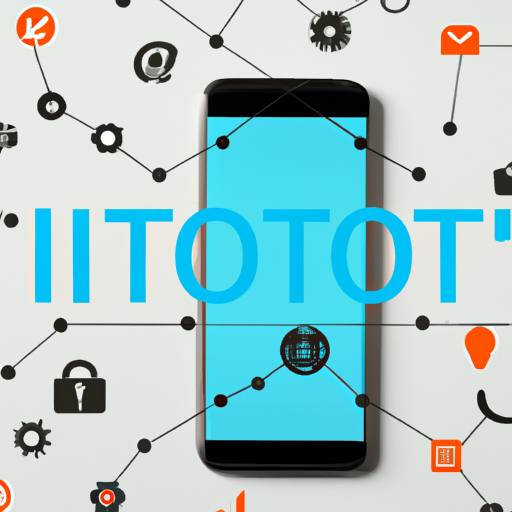
The Internet of Things refers to a network of interconnected devices that communicate and exchange data with each other over the internet. This connectivity enables smart devices to collect, send, and receive information, leading to improved efficiency and control. Examples include everything from smart home devices like thermostats and security cameras to industrial machinery that monitors and optimizes operations.
Key Components of IoT
- Devices and Sensors: These are the physical gadgets (like wearables, smart appliances) equipped with sensors that gather data.
- Connectivity: Devices must be connected to the internet via Wi-Fi, Bluetooth, or cellular networks.
- Data Processing: Once data is collected, it is analyzed using data processing technologies.
- User Interface: The results are shared with users through dashboards or mobile apps, allowing for actionable insights.
Applications of IoT
The applications of IoT are vast and varied. Here are a few noteworthy examples:
- Smart Homes: Devices like smart thermostats, lighting systems, and security cameras make homes more efficient and secure.
- Healthcare: IoT devices such as wearable heart monitors help patients and doctors track health metrics in real-time.
- Industrial IoT: Manufacturers use data from machines to streamline processes and predict maintenance needs, reducing downtime.
- Agriculture: IoT sensors in fields help farmers monitor soil moisture and crop health, optimizing resource use.
The Impact of IoT on Daily Life
The impact of IoT on our daily lives is profound. It brings increased convenience, efficiency, and safety. For instance, smart homes can automatically adjust heating based on occupancy, while connected healthcare devices allow for timely interventions that can save lives. Moreover, IoT plays a crucial role in sustainability by optimizing resource usage, thereby reducing waste.
Challenges Ahead
Despite its many advantages, IoT faces several challenges, including privacy concerns, cybersecurity threats, and the complexity of integrating various devices and systems. Addressing these issues is crucial for the widespread adoption of IoT technologies.
Conclusion
The Internet of Things is shaping the future of technology and will continue to impact how we live, work, and interact with the world. As IoT evolves, it promises to drive innovation, enhance efficiencies, and create a more connected society.
For further insights and updates on IoT, subscribe to our blog or follow us on social media!