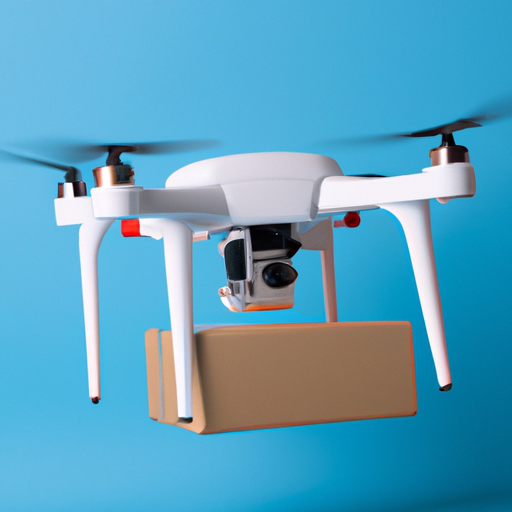
In recent years, the logistics industry has witnessed a significant transformation, largely due to advancements in technology. One of the most groundbreaking innovations is the utilization of drones in delivery services. As online shopping increases in popularity, businesses are constantly seeking faster, more efficient methods of delivering goods to their customers. This is where drone delivery comes into play.
What Are Drones?
Drones, also known as unmanned aerial vehicles (UAVs), are aircraft that operate without a human pilot onboard. Initially developed for military use, they have now found diverse applications in various sectors, including agriculture, surveillance, and, most notably, logistics.
Benefits of Drones in Delivery Services
- Speed: Drones can bypass traffic and other obstacles, delivering packages significantly faster than traditional methods.
- Cost-Effectiveness: Reducing the dependency on fuel-intensive vehicles can lower delivery costs for businesses.
- Accessibility: Drones can reach remote or hard-to-access locations, enhancing service capabilities.
- Reduced Carbon Footprint: Electric drones emit fewer greenhouse gases compared to traditional delivery trucks.
Current Use Cases
Several companies are already harnessing the power of drone technology for delivery, paving the way for broader adoption. For instance:
- Amazon Prime Air: Amazon is testing drone deliveries to streamline its operations and provide a quicker service to its customers.
- UPS Flight Forward: UPS has launched a drone delivery service that initially focuses on delivering medical supplies to healthcare facilities.
- Zipline: This company specializes in delivering blood supplies and medical products to remote areas, showcasing the life-saving potential of drone logistics.
Challenges Facing Drone Delivery Services
Despite its advantages, drone delivery is not without challenges. Regulatory hurdles, safety and privacy concerns, and the need for operational infrastructure all present obstacles to widespread implementation. Governments around the world are currently developing regulations to integrate drones safely into national airspace.
The Future of Drones in Delivery Services
As technology continues to develop, the future of drone delivery services looks bright. With improvements in battery life, automation, and AI technology, we are likely to see quicker and more reliable drone logistics solutions. The potential for urban air mobility and last-mile deliveries will revolutionize how consumers receive packages, significantly impacting the entire logistics landscape.
Conclusion
In conclusion, drones in delivery services represent an exciting frontier in logistics that promises to enhance speed, reduce costs, and expand accessibility. While there are challenges to overcome, the benefits they bring make them an essential part of the future of delivery services.
Stay tuned for further developments as companies continue to innovate and push the boundaries of delivery technology!
Keywords: drones, delivery services, drone delivery, logistics, technology