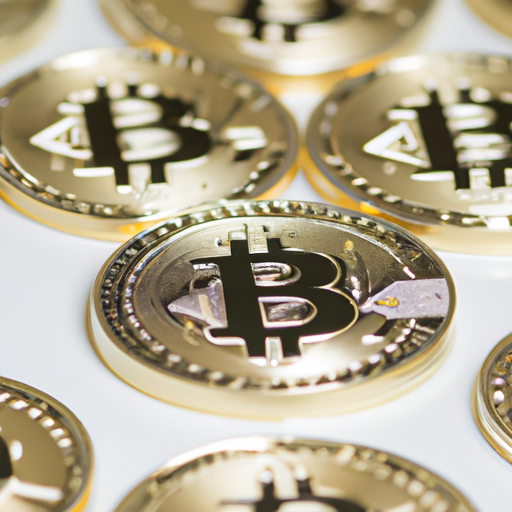
The rise of NFT (Non-Fungible Tokens) has revolutionized the way we perceive and transact in the digital collectibles realm. With blockchain technology at its core, NFT marketplaces have become essential platforms for artists, creators, and collectors alike. In this article, we delve into the current landscape of NFT marketplaces and why they are crucial for the future of digital commerce.
What are NFT Marketplaces?
NFT marketplaces are online platforms that allow users to create, buy, sell, and trade digital collectibles authenticated by blockchain technology. Some of the most popular NFT marketplaces include OpenSea, Rarible, and Foundation, offering a diverse range of digital assets from art to music and virtual real estate.
The Growth of NFT Marketplaces
Over the past few years, the surge in interest in NFTs has led to an explosion of NFT marketplaces. According to recent reports, the global NFT market is projected to reach $80 billion by 2025, indicating a robust appetite for digital assets.
Factors Driving Popularity
- Accessibility: NFT marketplaces provide a user-friendly interface where both creators and collectors can navigate easily, allowing them to explore a broad spectrum of digital assets.
- Ownership: By utilizing blockchain technology, NFTs guarantee the ownership and authenticity of digital collectibles, providing value to both buyers and sellers.
- Community Engagement: Many NFT platforms foster vibrant communities, allowing artists to connect with their fanbase and collaborate on projects.
Challenges Facing NFT Marketplaces
Despite their rapid growth, NFT marketplaces face challenges such as high transaction fees, environmental concerns associated with blockchain energy consumption, and the need for better buyer protection against scams. Overcoming these hurdles will be essential for the sustained growth of the industry.
The Future of NFT Marketplaces
As the NFT market continues to mature, we can expect to see innovations that enhance user experience, lower transaction costs, and expand the types of assets available for trade. Furthermore, the integration of cryptocurrency as a mainstream payment method will likely accelerate the adoption of NFT marketplaces.
In conclusion, NFT marketplaces represent a significant evolution in the way we buy, sell, and interact with digital collectibles. As artists and creators continue to embrace this technology, the future looks bright for the NFT market.
Stay tuned for more updates on the NFT marketplace landscape as we move toward a more digital future!