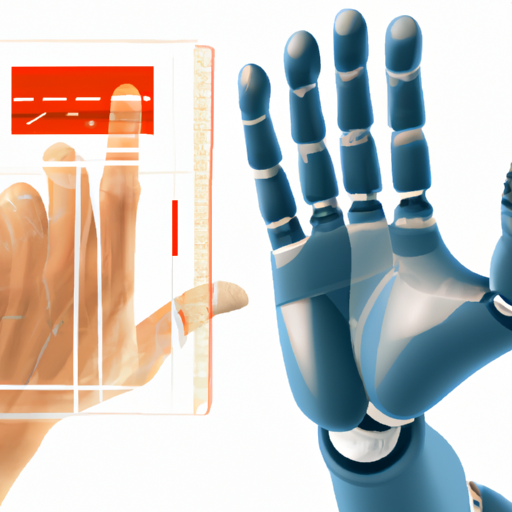
In recent years, gesture recognition technology has revolutionized the way we interact with devices. By utilizing advanced algorithms and artificial intelligence, gesture recognition systems can interpret human movements and translate them into commands for computers, smartphones, and various other devices.
What is Gesture Recognition?
Gesture recognition is a subfield of human-computer interaction (HCI) that focuses on enabling users to interact with computers through body movements. This includes hand gestures, body posture, and even facial expressions. The technology employs a variety of sensors, including cameras and accelerometers, to capture these movements and convert them into digital signals.
Recent Advancements in Gesture Recognition
Recent breakthroughs in machine learning and computer vision have significantly improved the accuracy and efficiency of gesture recognition systems. For instance, recent AI-based models are capable of learning from minimal data, reducing the need for extensive training datasets. Additionally, the rise of wearable technology has further propelled this field, allowing for more precise gesture detection in real-time.
Applications of Gesture Recognition
Gesture recognition technology is finding its way into various industries:
- Healthcare: Surgeons can use gesture control to operate devices without physical contact, reducing the risk of infection.
- Gaming: Game developers are integrating gesture recognition to create immersive and interactive experiences for players.
- Smart Home Devices: Users can control lighting, music, and appliances with simple gestures, enhancing convenience and usability.
The Future of Gesture Recognition
The future of gesture recognition looks promising. As technology advances, we can expect even more intuitive user interfaces that allow for seamless interaction between humans and machines. With the integration of AI, gesture recognition is set to become smarter, learning and adapting to individual users’ preferences over time.
Conclusion
As we move towards a more digital and interconnected world, gesture recognition will play a pivotal role in shaping the future of user experience across various platforms. The ability to control devices with natural movements not only enhances usability but also makes technology more accessible to many users.
Stay tuned as we explore more about the advancements in *gesture recognition* and their applications across diverse fields!