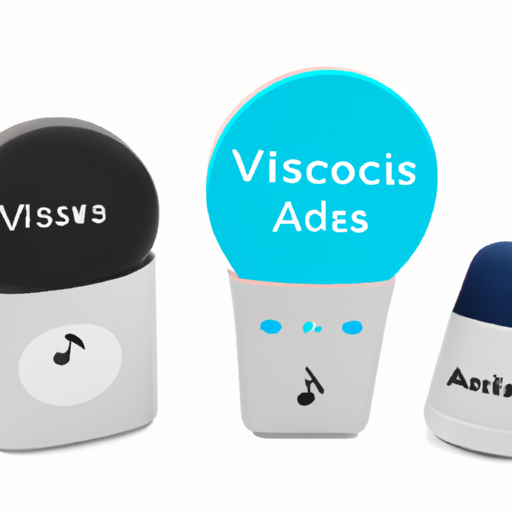
In recent years, voice assistants have surged in popularity, fundamentally changing how we interact with technology at home and in the office. From the advent of smart speakers to AI-powered applications, voice assistants have enabled users to control devices, access information, and facilitate daily tasks through simple voice commands.
The Technology Behind Voice Assistants
Most digital assistants, such as Amazon’s Alexa, Apple’s Siri, and Google Assistant, rely on advanced AI technology that processes natural language. This allows them to understand and respond to queries in a conversational manner, making the user experience more intuitive.
Applications in Everyday Life
Voice assistants are becoming increasingly integrated into our lives. From enabling home automation—controlling lights and thermostats with your voice—to helping with hands-free cooking by setting timers and retrieving recipes, the applications are vast. Businesses are also leveraging these technologies to enhance customer interaction and streamline operations.
The Future of Voice Technology
As technology continues to evolve, the capabilities and features of voice assistants are expected to expand. Future trends may include better context awareness, multi-device coordination, and improved personalization based on individual user preferences.
Conclusion
Voice assistants are no longer just a novelty; they’re a significant component of modern technology, constantly evolving to meet user demands. Embracing these changes means tapping into the future of smart living and making technology more accessible than ever.
Keywords: Voice Assistants, Smart Speakers, AI Technology, Home Automation, Digital Assistants
Stay tuned for more updates on how voice technology continues to shape our world!