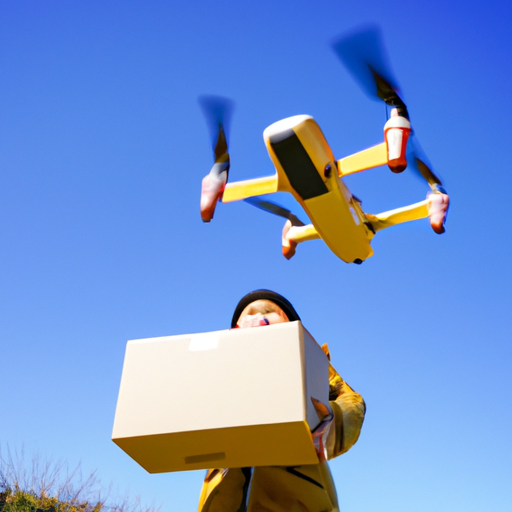
In recent years, drone delivery services have emerged as a groundbreaking technology that is transforming the logistics industry. As demand for fast and efficient delivery solutions rises, drones are becoming an essential part of the supply chain, offering a multitude of benefits that traditional delivery methods simply cannot match.
What Are Drone Delivery Services?
Drone delivery services utilize unmanned aerial vehicles (UAVs) to transport goods from one location to another. Operating on preset routes or guided by GPS technology, these drones can deliver products directly to consumers, businesses, or distribution centers.
Benefits of Drone Delivery
- Speed: Drones can significantly reduce delivery times, often completing deliveries within 30 minutes.
- Cost-Effectiveness: By reducing labor and transportation costs, companies can offer lower prices to their customers.
- Access: Drones can reach remote or hard-to-access locations that traditional vehicles struggle to service.
- Environmentally Friendly: Many drone models use electricity, resulting in a decrease in carbon emissions associated with ground transportation.
The Technology Behind Drone Delivery
At the heart of drone services lies advanced technology that enables precision navigation and delivery. Key components include:
- GPS Navigation: Provides accurate locations for drones to follow.
- Obstacle Avoidance Systems: Drones use sensors to detect and avoid obstacles in real time.
- Payload Capacity: Modern delivery drones are engineered to handle various payload sizes, making them versatile for different delivery needs.
Current Applications of Drone Delivery Services
Many industries have already begun to capitalize on the advantages of drone delivery:
- Healthcare: Drones are used to deliver medical supplies, vaccines, and even organs for transplant.
- E-commerce: Retail giants are piloting drone deliveries to enhance customer satisfaction through faster shipping.
- Food Delivery: Restaurants are experimenting with drone services to deliver meals directly to customers’ homes.
The Challenges Ahead
Despite the immense potential, there are challenges facing the widespread adoption of drone delivery:
- Regulatory Issues: Each country has stringent regulations regarding UAV usage, which can slow down progress.
- Safety Concerns: Ensuring the safety of both the drones and the public is paramount.
Looking Forward
As technology continues to improve and regulations evolve, drone delivery services are poised to become an integral part of the logistics industry. Companies that adopt this innovative tech can expect to stay competitive in a fast-changing market.
In conclusion, drone delivery services represent a significant shift in how we view logistics. From faster delivery times to reduced operational costs and innovative applications, drones are set to revolutionize the future of delivery.