As the world moves towards sustainable energy solutions, smart grid technology emerges as a groundbreaking innovation that significantly enhances electricity distribution and management. By integrating advanced communication systems and renewable energy sources, smart grids are reshaping the way we produce, distribute, and consume energy.
What is Smart Grid Technology?
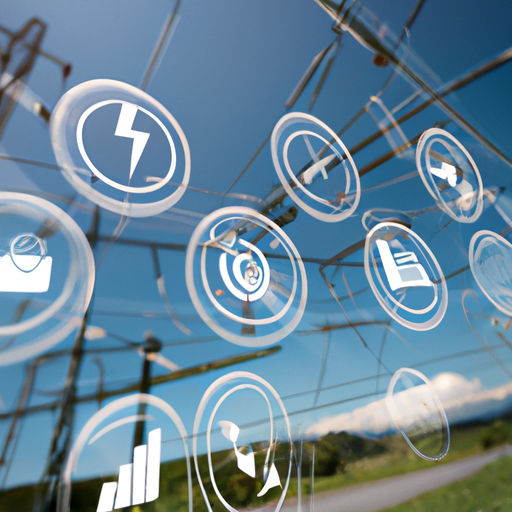
Smart grid technology refers to a modern electricity supply network that uses digital communication and real-time data to detect and react to local changes in usage. This technology allows for improved reliability, reduced outages, and the integration of renewable energy sources like solar and wind.
Benefits of Smart Grid Technology
- Enhanced Energy Efficiency: Smart grids facilitate advanced energy management systems that optimize electricity usage, resulting in reduced energy waste and lower greenhouse gas emissions.
- Increased Reliability: With real-time monitoring and automated response systems, smart grids can quickly identify and address faults, leading to fewer power outages and improved service quality.
- Integration of Renewable Energy: Smart grids support the integration of renewable energy sources, allowing for a more sustainable energy mix and reduced reliance on fossil fuels.
- Consumer Awareness and Control: Smart meters provide consumers with detailed information about their energy consumption patterns, empowering them to manage their usage more effectively.
How Smart Grid Technology Works
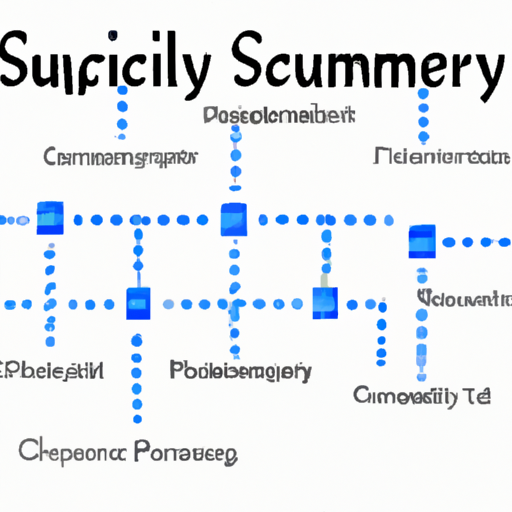
At the heart of smart grid technology are intelligent devices and systems that communicate with each other through a network of sensors, software, and smart meters. This interconnectedness enables:
- Two-way Communication: Unlike traditional grids that offer one-way communication from utility to consumer, smart grids enable dialogue, leading to better demand response and energy efficiency.
- Data Analytics: Utilities can analyze energy usage data, forecast demand trends, and make informed decisions about infrastructure investments and maintenance.
- Decentralized Energy Generation: Homes and businesses can generate their own energy through solar panels, feeding excess power back to the grid, which promotes energy independence.
Challenges and Future of Smart Grids
While the benefits of smart grid technology are clear, there are challenges to widespread adoption, including high initial costs, cybersecurity risks, and regulatory hurdles. However, as technology evolves and more investments are made, the future looks bright. Governments, utilities, and private sectors must collaborate to enhance grid infrastructure and credibility.
Conclusion
Smart grid technology is not just a concept; it is the key to developing a sustainable energy future. By embracing this innovative approach, we can significantly improve energy efficiency, reliability, and environmental sustainability. The shift towards smart grids is inevitable, making it essential for stakeholders across the globe to adapt and invest in this transformative technology.
Stay tuned for more insights on renewable energy and innovations in energy management!