In today’s ever-evolving energy landscape, Smart Grids represent a transformative advancement in electricity distribution and management. These innovative systems integrate digital technology with the traditional electrical grid to enhance efficiency, reliability, and sustainability. In this post, we will delve into the concept of smart grids, their benefits, and how they play a pivotal role in incorporating renewable energy sources.
What Are Smart Grids?
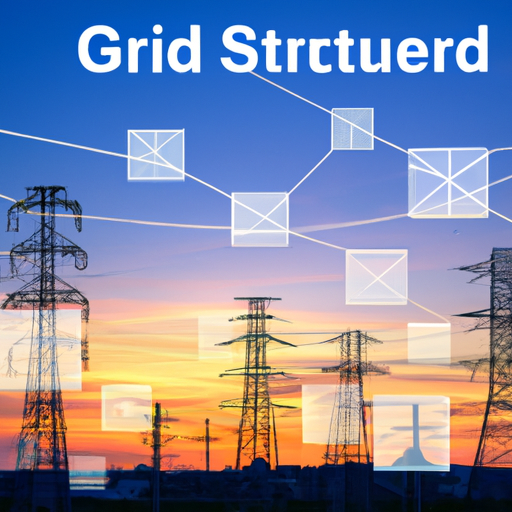
Smart grids are advanced electrical systems that employ digital communication technology to monitor and manage the flow of electricity from all generation sources to meet the varying electricity demands of end users. Unlike traditional grids, smart grids provide real-time information and automate responses to changes in electricity consumption patterns and energy generation.
The Benefits of Smart Grids
- Enhanced Reliability: Smart grids can detect outages and other issues more rapidly than traditional grids, allowing for quicker restoration of service.
- Increased Energy Efficiency: By optimizing energy production and consumption, smart grids reduce waste and promote energy efficiency, ultimately leading to lower costs.
- Integration of Renewable Energy: Smart grids facilitate the seamless incorporation of renewable energy sources like solar and wind, making the energy mix more sustainable.
- Demand Response Management: With the ability to monitor real-time electricity usage, smart grids can manage demand flexibly, helping to balance load and alleviate stress on the grid.
- Consumer Empowerment: Smart grids empower consumers with real-time data about their energy usage, enabling informed decisions about energy consumption and costs.
How Smart Grids Revolutionize Energy Management
Smart grids are revolutionizing energy management by making it more transparent and efficient. Advanced metering infrastructure allows consumers to track their energy consumption via smart meters, which can lead to behavioral changes and reduced energy bills. Moreover, utilities can leverage predictive analytics to foresee and mitigate potential demand spikes, enhancing grid stability.
The Future of Energy Distribution
As we move toward a more sustainable energy future, smart grids will be crucial in supporting carbon reduction goals and mitigating climate change. They pave the way for innovative solutions like electric vehicles and energy storage systems, all of which depend on a modernized electrical infrastructure.
Conclusion
The adoption of smart grids marks a significant leap forward in how we generate, distribute, and consume energy. By fostering efficiency and reliability, smart grids not only benefit utility companies but also empower consumers and promote a greener future. Embracing this technology will be essential for meeting the growing energy demands of our modern world.
Learn more about how smart grids can impact your energy consumption by contacting us.
Keywords
Smart Grids, Energy Efficiency, Renewable Energy, Electricity Distribution, Energy Management