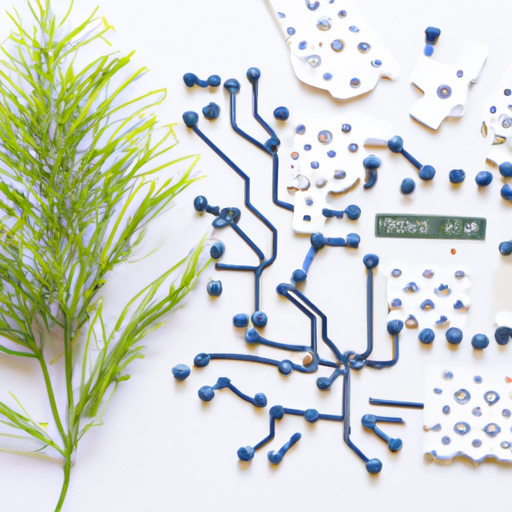
In a rapidly evolving technological landscape, the concept of biodegradable electronics is emerging as a vital innovation in the quest for sustainability. As our reliance on electronic devices continues to grow, so too does the environmental impact of electronic waste (e-waste). In this post, we will delve into the world of biodegradable electronics, exploring their benefits, challenges, and how they are set to revolutionize the tech industry.
Understanding Biodegradable Electronics
Biodegradable electronics refer to electronic devices that are made from materials capable of decomposing naturally and safely in the environment. These materials, which can include organic conductors, biodegradable polymers, and organic semiconductors, are designed to minimize environmental impact after their lifecycle.
The Environmental Impact of E-Waste
The global proliferation of electronic devices has led to an alarming increase in e-waste. According to the Global E-waste Monitor, around 53.6 million metric tons of e-waste were generated globally in 2019, a figure expected to rise sharply in the coming years. Traditional electronics often contain hazardous materials that can leach into the soil and waterways, posing significant health risks to humans and wildlife.
Benefits of Biodegradable Electronics
- Reduced Environmental Footprint: By using biodegradable materials, these electronics can decompose without leaving toxic residues, significantly reducing their impact on landfills and the environment.
- Sustainable Manufacturing: Production of biodegradable electronics often utilizes sustainable processes and renewable resources, further contributing to the reduction of carbon emissions.
- Enhanced Consumer Awareness: As consumers become more eco-conscious, the demand for sustainable products increases, prompting manufacturers to innovate towards greener solutions.
Challenges in Implementing Biodegradable Electronics
Despite their advantages, biodegradable electronics face several challenges:
- Performance and Longevity: Current biodegradable materials may not yet match the performance and durability of traditional materials, posing challenges for consumer applications.
- Cost of Production: The production processes for biodegradable electronics can be more expensive, which may hinder widespread adoption.
- Regulatory Hurdles: Standards for testing and certifying biodegradable electronics are still evolving, which can complicate market entry for new products.
Innovations Shaping the Future
Leading researchers and companies are at the forefront of developing biodegradable electronic materials. Innovations such as printed electronics, which utilize organic inks deposited on flexible substrates, are paving the way for new applications in wearable technology and environmental sensors. For instance, projects such as biodegradable batteries and eco-friendly sensors are being actively explored to bridge the gap between technology and nature.
Conclusion
In conclusion, biodegradable electronics represent a promising advancement towards achieving a sustainable future. While challenges remain, the continuous innovation in this field indicates a growing shift towards practices that prioritize our planet. As consumers, by choosing eco-friendly devices, we can contribute to a cleaner environment and support the ongoing development of sustainable technology. Embracing biodegradable electronics is not just a trend; it’s a responsibility we must all share.
Stay tuned for further updates on this exciting field, and how you can integrate sustainable technology into your daily life!