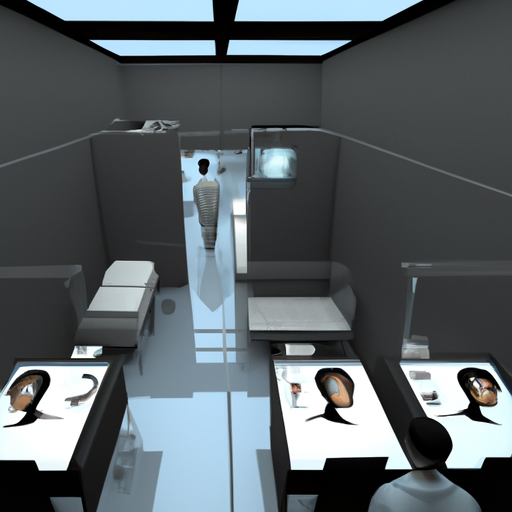
In recent years, 3D visualization technology has emerged as a game-changer in the healthcare industry. By providing detailed three-dimensional representations of medical data, this innovative approach enhances the accuracy of medical imaging and elevates patient education standards.
What is 3D Visualization in Healthcare?
3D visualization refers to the process of displaying medical images and data in a three-dimensional format. This technology allows healthcare providers to view anatomical structures in realistic detail, facilitating better diagnosis, treatment planning, and surgical procedures.
Benefits of 3D Visualization in Healthcare
- Enhanced Medical Imaging: 3D models provide clearer insights into complex anatomical structures, enabling clinicians to make more informed decisions.
- Improved Patient Communication: By showing 3D representations of conditions, patients can better understand their health problems, treatment options, and expected outcomes.
- Educational Tools: 3D visualization serves as an engaging educational resource for patients and medical students, allowing for interactive learning experiences.
- Surgical Planning: Surgeons utilize 3D models to plan and rehearse complicated procedures, ultimately leading to reduced risks during surgery.
Applications of 3D Visualization in Healthcare
The applications of 3D visualization are extensive and varied within healthcare, including:
- Radiology: Radiologists can analyze CT scans and MRIs with enhanced precision.
- Dentistry: Dentists use 3D models for treatment planning and custom implant designs.
- Orthopedics: 3D printing of anatomical models assists orthopedic surgeons in preoperative planning.
- Oncology: Oncologists use visualization to understand tumors’ size, shape, and location better.
The Future of 3D Visualization in Healthcare
As technology continues to advance, the potential for 3D visualization in healthcare appears limitless. Tools such as virtual reality (VR) and augmented reality (AR) are also being integrated into medical practices, further enhancing the scope and utility of 3D models.
Ultimately, 3D visualization technology not only enhances clinical outcomes but also promotes a better understanding of health information among patients, paving the way for more informed health decisions.
Stay tuned for more updates on this exciting topic as we continue to explore the integration of advanced technology in healthcare!
This article highlights the transformative role of 3D visualization in healthcare and its potential to improve patient experiences and clinical outcomes.