In the wake of urgent climate change challenges, carbon capture technology emerges as a beacon of hope. This innovative solution aims to mitigate greenhouse gas emissions by capturing carbon dioxide from industrial processes and the atmosphere, transforming it into a sustainable resource.
What is Carbon Capture Technology?
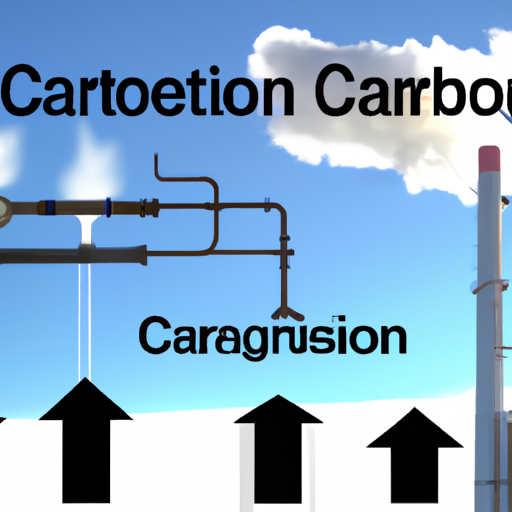
Carbon capture technology entails methods that collect and store carbon dioxide (CO2) emissions from sources such as power plants and factories. The process can also include capturing CO2 directly from the air, providing a dual approach to tackling the excess greenhouse gases that contribute to global warming.
Recent Advancements
Recent developments in carbon capture technology have shown promising results, with several pilot projects demonstrating its potential in reducing emissions significantly. Innovations in carbon sequestration, where captured CO2 is stored underground, have made the process safer and more efficient.
The Importance of Carbon Capture in Climate Change Mitigation
The Paris Agreement highlights the need for nations to reduce their carbon footprint, and carbon capture offers a practical solution. By investing in this technology, countries can advance toward their sustainability goals while promoting economic growth.
Challenges and Opportunities
Despite its promise, the scalability and cost of carbon capture technology are significant hurdles. However, as investments grow and more research is conducted, the future of carbon capture looks brighter. Sustainable energy solutions that integrate carbon capture could pave the way towards a cleaner and more sustainable future.
Conclusion
If harnessed correctly, carbon capture technology can play a pivotal role in combating climate change. By capturing and utilizing carbon dioxide, we can take essential steps toward a healthier planet.
Stay informed about the latest innovations in carbon capture technology and join the conversation about how we can collectively address climate issues now and in the future.