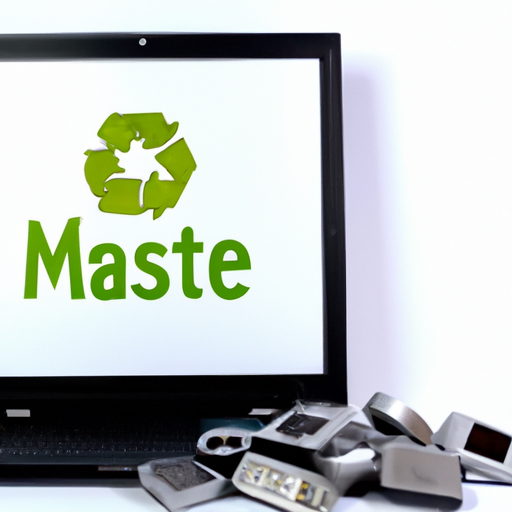
E-waste, or electronic waste, has become one of the fastest-growing waste streams in the world. As the tech industry continues to evolve and consumers replace their gadgets at an unprecedented rate, the need for effective e-waste recycling technology is more critical than ever. Recent innovations in this sector are paving the way for more sustainable e-waste management practices.
What is E-Waste?
E-waste refers to discarded electronic devices, including computers, phones, televisions, and other electronics. These products often contain hazardous materials that can harm the environment and public health if not handled properly. Recycling these devices is essential to recover valuable resources and reduce pollution.
Innovations in E-Waste Recycling Technology
Recent advancements in e-waste recycling technology are making it easier to dismantle, process, and repurpose electronic components. Here are some notable innovations:
- Automated Dismantling: Robotics and automation technologies are streamlining the disassembly process of electronic devices, allowing recyclers to efficiently separate valuable metals and plastics.
- Hydrometallurgical Techniques: New chemical processes are being developed to extract precious metals from electronic waste with minimal environmental impact, improving recovery rates and reducing harmful byproducts.
- Data Security Solutions: As data security becomes a growing concern, advanced software and hardware solutions are ensuring that sensitive information is securely erased before devices are recycled, increasing consumer trust in recycling services.
- Upcycling Innovations: Innovative designers and companies are finding creative ways to upcycle electronic waste into new products, providing a second life to old materials and reducing the need for virgin resources.
The Importance of E-Waste Recycling
Recycling e-waste not only helps reduce pollution and conserve natural resources but also creates economic opportunities. In many regions, growing e-waste markets are generating jobs in recycling, refurbishing, and manufacturing. As technology continues to advance, implementing sustainable e-waste recycling practices will be crucial in our efforts to protect the environment.
Conclusion
The future of e-waste recycling technology looks promising, with innovations driving more efficient and environmentally friendly practices. As consumers and businesses alike embrace these changes, we can all play a part in reducing electronic waste and fostering a more sustainable future.