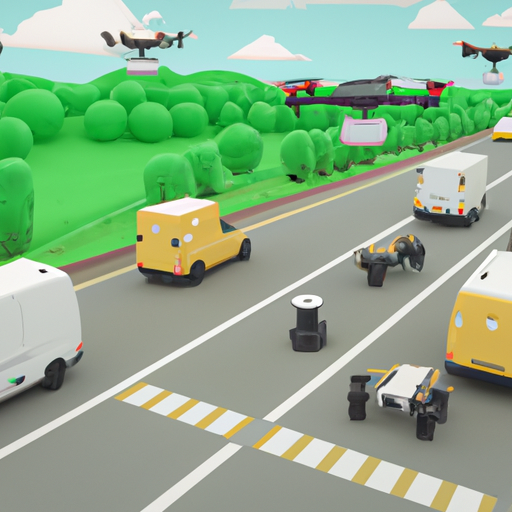
In the fast-paced world we live in, convenience is key. With the rise of e-commerce, the demand for rapid and efficient delivery systems has skyrocketed. Enter Autonomous Delivery Systems (ADS), a game-changing technology that promises to revolutionize the way goods are delivered.
What are Autonomous Delivery Systems?
Autonomous Delivery Systems refer to the use of advanced technologies such as drones, self-driving vehicles, and robotic systems to deliver packages without human intervention. These innovative solutions are designed to optimize the delivery process, reduce costs, and enhance customer satisfaction.
How do Autonomous Delivery Systems Work?
Autonomous delivery services utilize cutting-edge navigation and communication technologies. Here’s a brief overview of how they operate:
- Mapping and Navigation: ADS leverage GPS technology for precise mapping, enabling them to identify the most efficient delivery routes.
- Sensors and Cameras: Equipped with sophisticated sensors and cameras, these systems can detect obstacles, ensuring safe navigation in urban environments.
- Real-time Data Processing: Autonomous delivery vehicles analyze data in real-time to make quick decisions for rerouting or avoiding obstacles.
Benefits of Autonomous Delivery Systems
There are several advantages to implementing autonomous delivery systems:
- Speed: ADS can bypass traditional traffic routes, delivering goods more swiftly.
- Cost-effective: By reducing the need for human drivers, companies can save significantly on operational costs.
- Increased Accuracy: Automated systems minimize human errors, ensuring that deliveries arrive at the correct location.
- Environmentally friendly: Many autonomous delivery vehicles use electric power, contributing to lower carbon emissions.
Challenges Facing Autonomous Delivery Systems
Despite their promise, ADS face several challenges:
- Regulation and Compliance: The drone delivery industry, in particular, must navigate complex regulations regarding airspace usage.
- Public Acceptance: There’s a learning curve for consumers to trust and utilize autonomous systems for their deliveries.
- Technical Limitations: Encountering variable weather conditions or unexpected obstacles can impact delivery efficiency.
Case Studies and Adoption Rates
Many companies are already piloting or implementing ADS. For instance, Amazon Prime Air has begun testing drone deliveries, while Starship Technologies uses autonomous robots for last-mile deliveries in select cities. As these systems gain popularity, more businesses are expected to adopt similar technologies.
The Future of Delivery: What Lies Ahead?
As technology continues to advance, the future of autonomous delivery systems looks bright. With ongoing improvements in AI, machine learning, and robotics, we can anticipate more seamless integration of ADS into our daily lives. The convenience of having packages delivered directly to our doorsteps is becoming a reality.
Conclusion
Autonomous Delivery Systems offer tremendous potential to change the logistics landscape forever. As companies strive to enhance customer experience and increase operational efficiency, embracing these technologies may soon become a necessity rather than a luxury. Prepare for a whole new world of convenience with the rise of autonomous delivery!
For more information on the latest in technology innovations, stay tuned to our blog!