In recent years, artificial intelligence (AI) has emerged as a transformative force across multiple industries, and the realm of pharmaceuticals is no exception. AI-powered drug discovery is reshaping the way we approach drug development, leading to faster, safer, and more effective treatments for a myriad of diseases.
What is AI-Powered Drug Discovery?
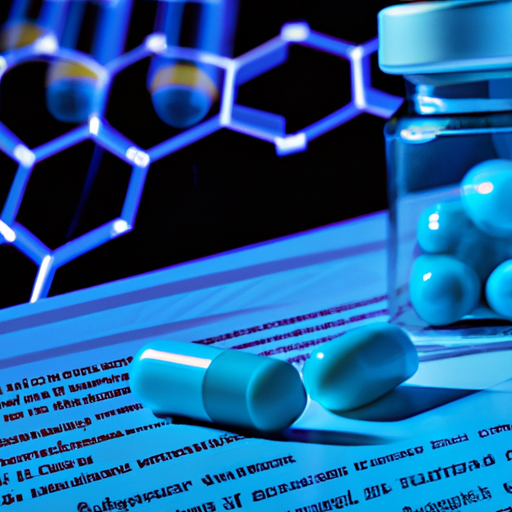
AI-powered drug discovery refers to the application of machine learning algorithms and computational models to identify and develop new pharmaceuticals. By analyzing vast datasets, AI can predict how different compounds will interact with biological systems, streamlining the traditionally arduous and time-consuming process of drug development.
Benefits of AI in Drug Development
- Speed: AI significantly accelerates the initial phases of drug discovery, reducing the time it takes to move from concept to clinical trials.
- Cost-Effectiveness: With AI, companies can cut down research costs by identifying promising candidates early, avoiding expensive failures later in the process.
- Improved Accuracy: AI algorithms analyze millions of data points to identify potential drug candidates more accurately than traditional methods.
- Personalized Medicine: AI can help tailor treatments to individual patients based on genetic data, improving therapeutic outcomes.
Current Applications of AI in Drug Discovery
Several biotech and pharmaceutical firms are already leveraging AI technologies in their drug development processes. For example:
- Identifying Drug Candidates: AI can sift through chemical databases to pinpoint potential drug candidates with desirable properties.
- Predicting Drug Interactions: Machine learning models help predict how new drugs will interact with proteins in the body, reducing the risk of adverse side effects.
- Clinical Trial Optimization: AI helps in designing better clinical trials by identifying the most relevant patient populations and potential outcomes.
Case Studies in AI-Powered Drug Discovery
Several successful case studies illustrate the potential of AI in drug discovery:
- Atomwise: This AI company uses deep learning algorithms to screen compounds, yielding promising drug candidates for diseases like Ebola and multiple sclerosis.
- Boehringer Ingelheim: Partnered with IBM Watson to explore the use of AI in identifying targets and developing new therapies for chronic and infectious diseases.
The Future of AI in Healthcare
As technology continues to evolve, the capabilities of AI in drug discovery will expand further. Future advancements may lead to:
- Enhanced Predictive Models: More sophisticated algorithms that can better predict the outcomes of drug interactions.
- Integration with Genomics: Collaboration with genomic data to refine personalized medicine approaches.
- Broader Applications: Utilizing AI beyond just drug discovery, impacting diagnosis and treatment planning.
Conclusion
AI-powered drug discovery stands at the forefront of a significant transformation in healthcare. By harnessing AI technology, the pharmaceutical industry can accelerate innovation, ultimately leading to better health outcomes for patients around the world. As AI continues to evolve, its potential to reshape drug development processes is limitless, marking an exciting chapter in the future of medicine.
Stay tuned to our blog for more insights into the intersection of technology and healthcare!