Published on: October 15, 2023
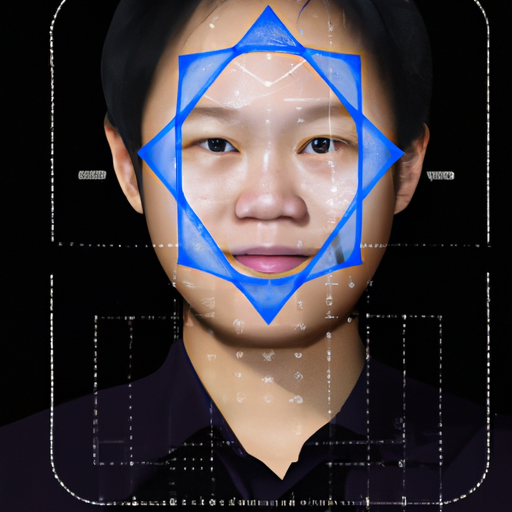
Facial recognition technology has rapidly evolved over the past decade, becoming one of the most talked-about advancements in AI technology. Utilizing sophisticated algorithms, this biometric technology analyzes facial features and matches them against databases to identify individuals. As its applications expand across numerous sectors, including security and retail, it brings both opportunities and challenges.
The Evolution of Facial Recognition Technology
Originally used in high-security government facilities, facial recognition has made its way into mainstream usage. Businesses now employ it for identity verification, enhancing security measures, and even streamlining customer interactions.
Applications in Security
Security agencies utilize facial recognition technology for various purposes, such as:
- Monitoring large crowds at public events.
- Identifying suspects in criminal investigations.
- Securing borders and searching for missing persons.
This has allowed for faster identification and apprehension, greatly aiding law enforcement efforts.
Debate Over Privacy Concerns
Despite its benefits, the proliferation of facial recognition technology has sparked significant debate regarding privacy. Critics argue that its use can lead to intrusive surveillance and potential misuse. The balance between security and personal privacy is a contentious issue that policymakers are grappling with.
Conclusion
Facial recognition technology represents a fascinating intersection of innovation and ethical considerations. As we push towards a more technologically advanced society, striking a balance between security needs and individual privacy rights is essential. Policymakers, companies, and individuals must navigate these complexities together to shape the future of this technology responsibly.