In today’s rapidly changing world, the agricultural sector is undergoing a significant transformation thanks to smart agriculture, also known as precision farming. This innovative approach leverages cutting-edge technologies to enhance productivity, sustainability, and efficiency in agricultural practices.
What is Smart Agriculture?
Smart agriculture refers to the integration of modern technologies such as the Internet of Things (IoT), artificial intelligence (AI), big data, and robotics into farming. These technologies enable farmers to make better decisions, optimize resource use, and enhance crop yields through data-driven insights.
Benefits of Smart Agriculture
- Increased Efficiency: Smart agriculture tools help farmers monitor crop conditions in real time, allowing them to utilize resources more effectively.
- Sustainability: Innovative farming practices contribute to reduced waste and lower carbon footprints, supporting environmental sustainability.
- Higher Yields: By using data analytics to understand crop health and soil conditions, farmers can significantly improve yields.
- Cost Savings: Intelligent automation can lead to reduced operational costs by minimizing labor and inputs.
Technologies Driving Smart Agriculture
The success of smart agriculture is largely attributed to several key technologies:
- IoT Sensors: These devices collect data on soil moisture, temperature, and crop health, providing farmers with valuable insights.
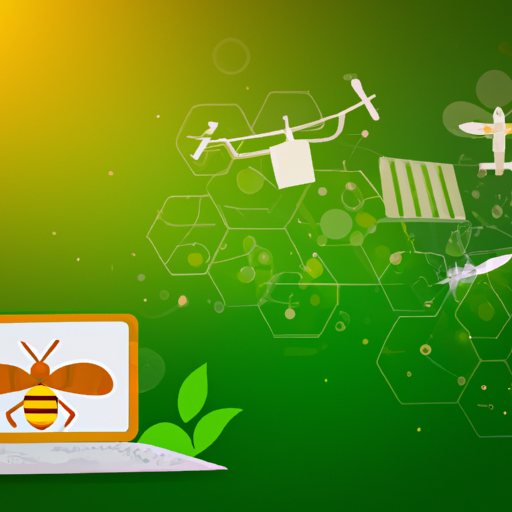
- Drones: Used for aerial surveillance, drones can assess crop health, optimize irrigation systems, and even assist in planting.
- AI and Machine Learning: These technologies analyze vast amounts of agricultural data to predict crop yields and identify potential issues before they arise.
Conclusion
As we move towards a future where food security and sustainable practices are paramount, smart agriculture stands out as a crucial solution. Embracing this technology not only helps farmers increase efficiency and productivity but also contributes to a more sustainable agricultural system. It is evident that the rise of smart agriculture is not just a trend; it is the future of farming.