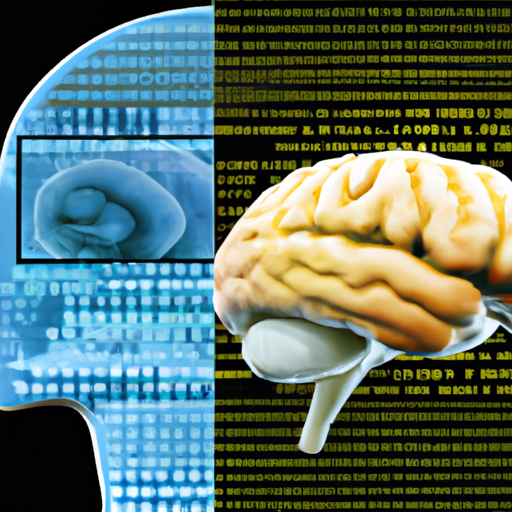
As technology continues to advance at a breathtaking pace, the concept of neural interfaces emerges as a groundbreaking field that bridges the gap between human cognition and machine processing. In this blog post, we will delve into the core concepts of neural interfaces, exploring their applications, benefits, and future potential within the realm of neurotechnology.
What Are Neural Interfaces?
Neural interfaces, often referred to as brain-computer interfaces (BCIs), are systems that facilitate direct communication between the brain and external devices. This technology allows for the translation of neural signals into commands that can control computers or prosthetic limbs, empowering users with unprecedented control and functionality.
How Do Neural Interfaces Work?
Neural interfaces work by detecting and interpreting brain signals. Electrodes are typically positioned on the scalp (non-invasive) or implanted in the brain (invasive) to capture neural activity. The collected data is then processed using advanced algorithms to decode the user’s intent, allowing for real-time interaction with devices.
Applications of Neural Interfaces
The applications of neural interfaces are vast and varied, ranging from medical to consumer technology. Here are a few notable uses:
- Assistive Technology: BCIs are being used to help individuals with mobility impairments control prosthetic limbs or communicate through computer systems.
- Gaming and Entertainment: Companies are exploring BCI technology for immersive gaming experiences, where players can interact with the game using their thoughts.
- Neurofeedback: Neural interfaces provide opportunities for mental health treatments, allowing users to manage conditions such as anxiety and depression through biofeedback.
The Benefits of Neural Interfaces
The integration of neural interfaces into everyday technology boasts numerous benefits, including:
- Increased Independence: For individuals with physical disabilities, neural interfaces can restore the ability to perform everyday tasks independently.
- Enhanced Communication: BCIs open up new avenues for communication for people with speech impairments, providing alternative methods for expressing thoughts and needs.
- Augmented Reality Integration: The combination of neural interfaces with AR can revolutionize how we interact with digital environments, creating seamless experiences that blend the real and virtual worlds.
The Future of Neural Interfaces
As research and development in this field continue to grow, the potential for neural interfaces will expand. Future advancements may include:
- Improved Connectivity: Efforts are underway to enhance the integration of neural interfaces with devices, making them more user-friendly and efficient.
- Miniaturization: Smaller, less invasive devices will enable broader adoption and accessibility.
- Ethical Considerations: As with any technology that interfaces directly with the human brain, ethical discussions surrounding privacy, consent, and the implications of brain data will be essential.
Conclusion
Neural interfaces represent a pioneering intersection of neuroscience and technology, promising profound changes to how we interact with machines. As we continue to explore this exciting field, it is crucial to embrace both the opportunities and challenges that lie ahead. In the coming years, the widespread adoption of neural interfaces may redefine human-machine interaction in unimaginable ways!
For more insights on neural interfaces and neurotechnology, stay tuned to our blog!