The manufacturing landscape is undergoing a transformative shift with the advent of Smart Factories. As part of the Industry 4.0 initiative, these factories utilize state-of-the-art technologies to enhance efficiency, productivity, and flexibility in production processes.
What are Smart Factories?
Smart factories are highly digitized manufacturing facilities that leverage the Internet of Things (IoT), big data analytics, and advanced robotics to automatically adjust and optimize production lines. This digital transformation not only maximizes operational efficiency but also allows manufacturers to respond quickly to market demands.
The Role of IoT in Smart Manufacturing
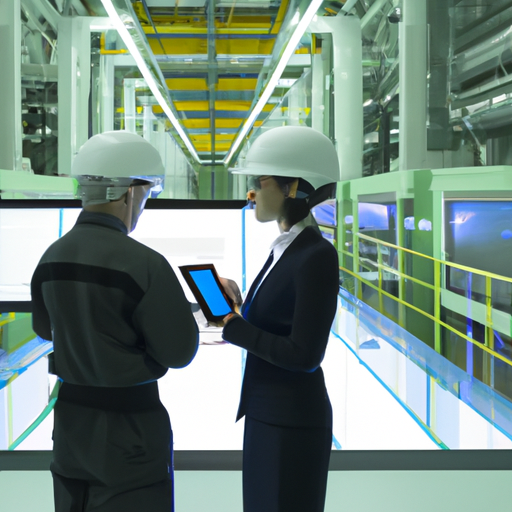
In a smart factory, machines, devices, and sensors are interconnected, allowing real-time data collection and analysis. IoT technology enables manufacturers to monitor machine performance, predict maintenance needs, and optimize supply chains, reducing downtime significantly.
Automation and Robotics: The Future of Production
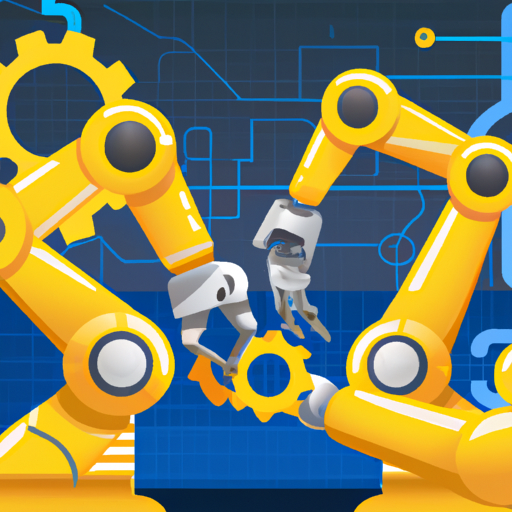
Automation is at the core of smart manufacturing. Advanced robotics are employed to perform repetitive tasks with precision, thereby freeing human workers for more complex and creative roles. This shift not only improves productivity but also enhances workplace safety.
Benefits of Smart Factories
- Increased Efficiency: Continuous monitoring and optimization reduce waste and downtime.
- Flexibility: Quick adjustments in production allow for customization and rapid response to consumer needs.
- Data-Driven Decisions: Data analytics provide insights that lead to informed strategic decisions.
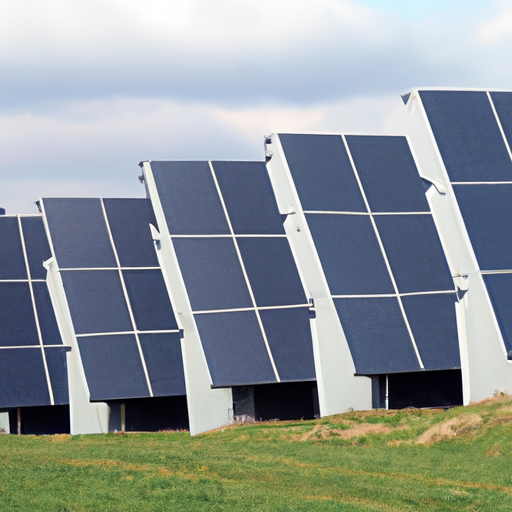
- Sustainability: Smart factories often incorporate environmentally friendly technologies that reduce energy consumption and waste.
Challenges Ahead
Despite the numerous advantages, the transition to smart factories is not without challenges. Organizations must address issues related to cybersecurity, workforce training, and initial investment costs. A successful transformation requires a comprehensive strategy that includes workforce development and technology integration.
Conclusion
Smart factories represent the future of manufacturing, where technology and human ingenuity combine to create a more efficient, sustainable, and responsive production environment. As industries continue to embrace digital transformation, research shows that those who invest in smart manufacturing are better positioned to succeed in the competitive landscape.
Stay tuned for more updates as we explore the evolving narrative of smart factories and their impact on the manufacturing sector.